
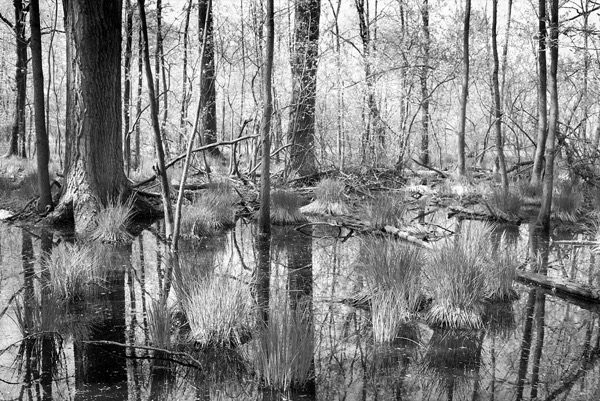
HP5 at 1600, one winter roll
Short days, grey light and a roll of HP5 rated at 1600. What happened in the tank, what I would change, and why I keep coming back to push processing every winter.
Notes where HP5 Plus went through the camera or the tank.
Short days, grey light and a roll of HP5 rated at 1600. What happened in the tank, what I would change, and why I keep coming back to push processing every winter.
One hour, two agitations and a lot of patience. A practical note on semi-stand, bromide drag, and the developer that outlives every bottle in my cupboard.
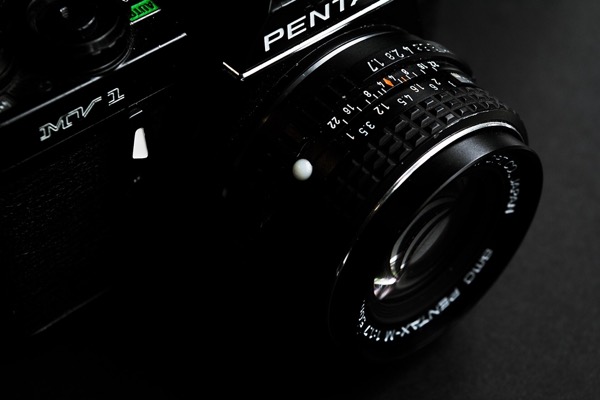
A macro lens, a cheap light panel and a film holder made from mount board. The setup that replaced my flatbed, and the mistakes I made on the way.
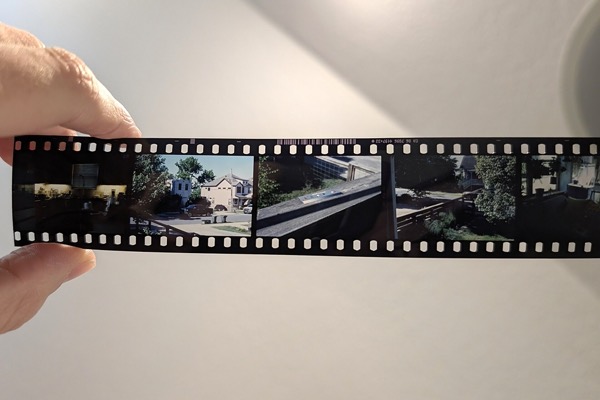
Before scanning anything I look at each strip on a light box with a loupe. What I look for, and how it tells me whether to blame exposure or development.
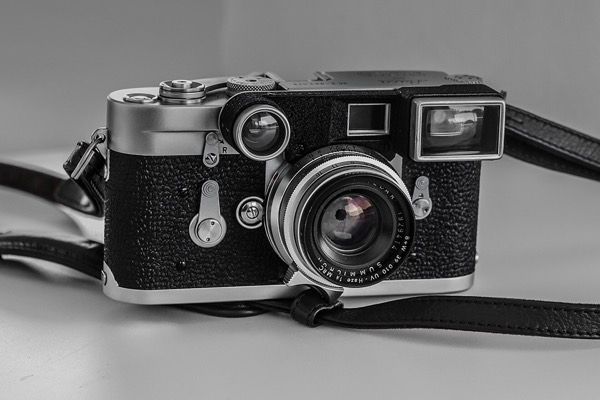
Fogged frames, a torch in a dark room and new light seals cut from craft foam. How I traced the leak instead of guessing.
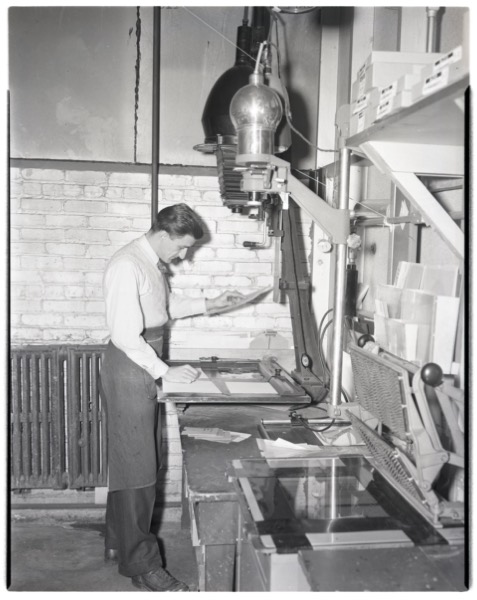
An enlarger bought from a retiring club member, three trays in the bathtub, and the first time a picture appeared on paper under the safelight.
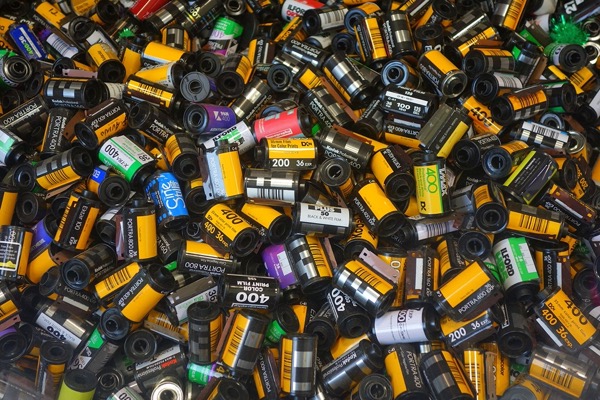
Buying film in thirty-metre rolls and loading my own cassettes roughly halves the cost per roll. Here is how it goes, and what can go wrong.
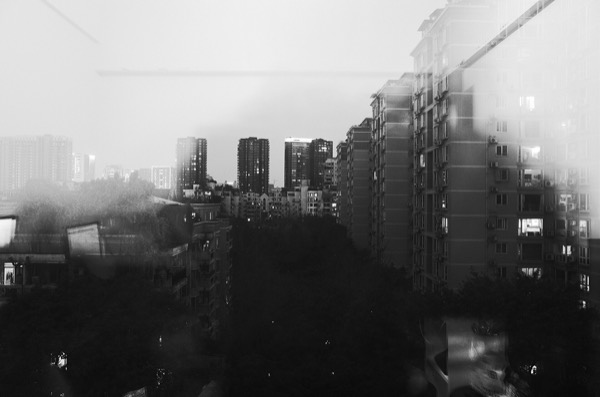
Two classic 400-speed films, the same flat light, the same developer. The differences are real but smaller than the internet says.
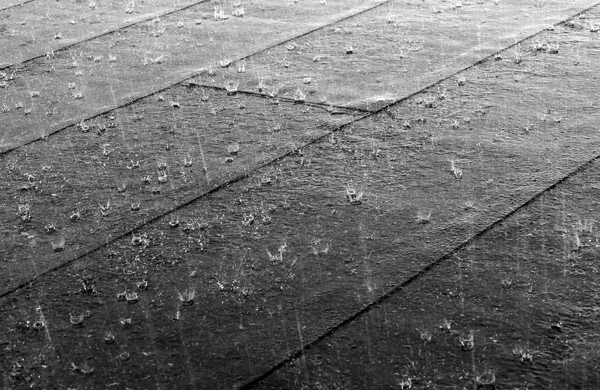
Water spots and dust ruined more of my frames than bad exposure ever did. The washing and drying routine that finally made them go away.
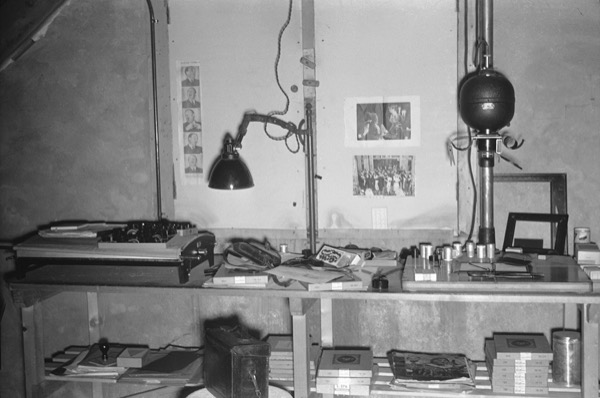
A sheet of paper, a sheet of glass and a few seconds of light. Contact sheets are the slowest way to look at a roll, and the one that teaches me the most.
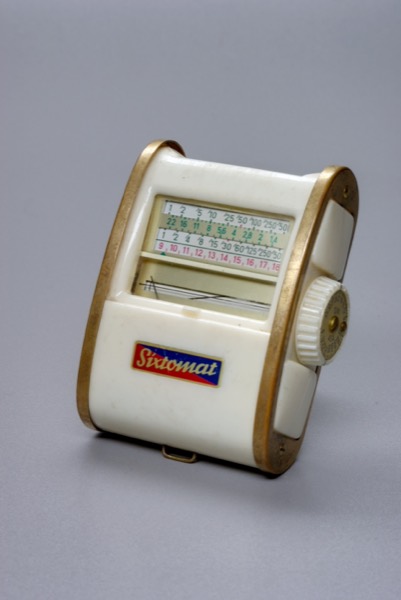
My old selenium meter reads one stop under in dim light. How I found out, how I compensate, and why I now trust a rule of thumb from a film box.
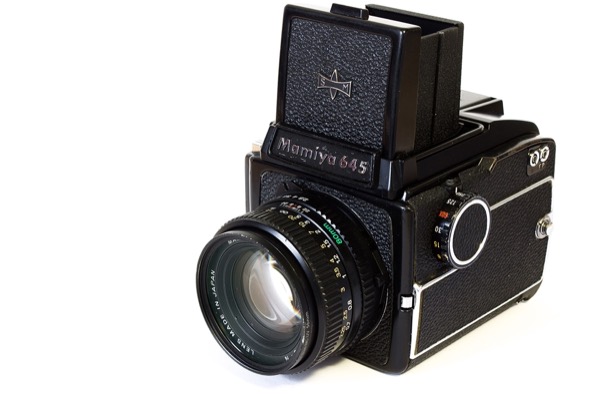
Medium format film is wide, thin and curls like a spring. Twenty sacrificed rolls of backing paper and three tricks later, I can load a steel reel in under a minute.