Thin, dense, just right: reading negatives on a light box
Before scanning anything I look at each strip on a light box with a loupe. What I look for, and how it tells me whether to blame exposure or development.
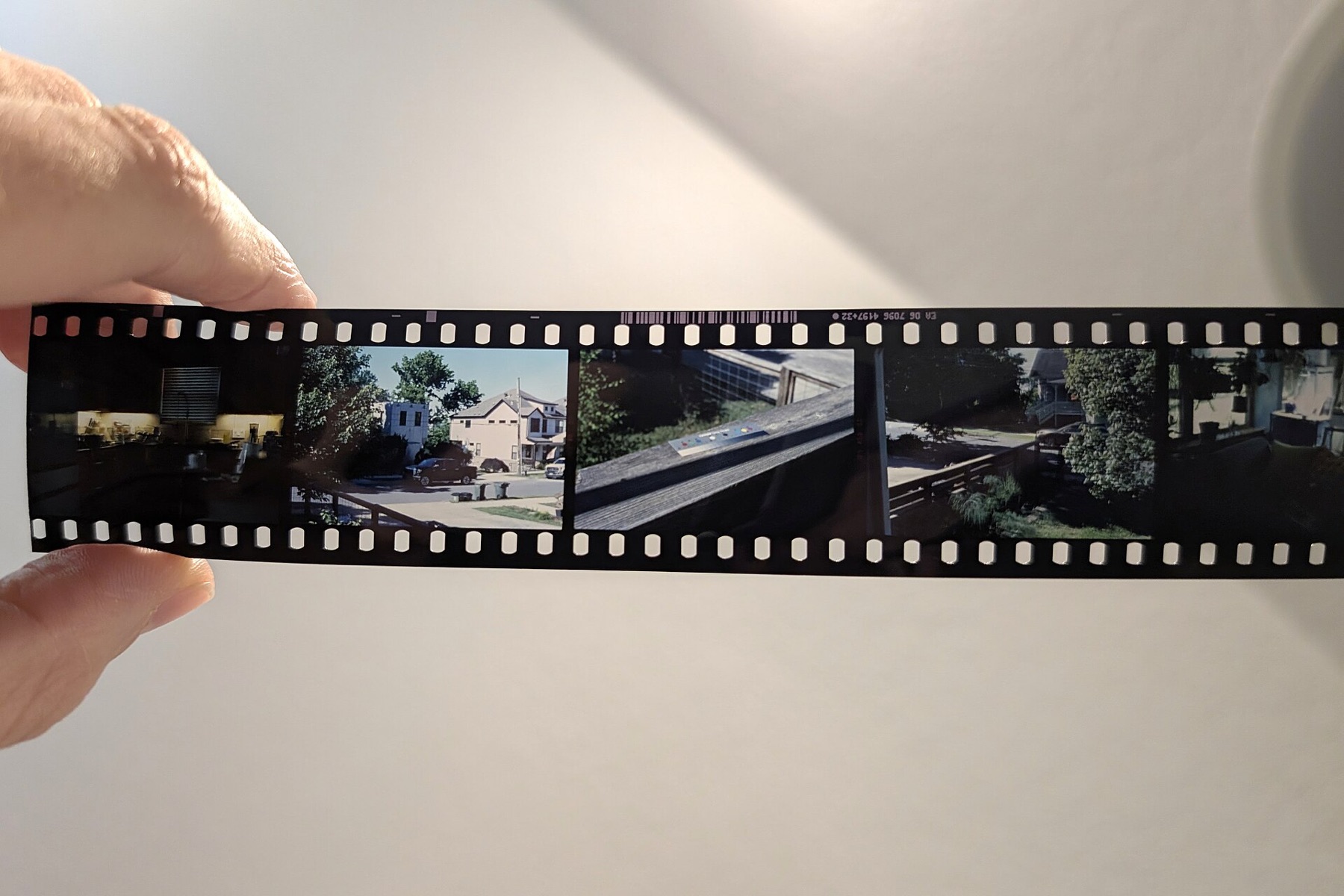
A scanner hides problems. It stretches a thin negative until it looks almost normal and pulls detail out of a dense one, and the result on screen tells me very little about what actually happened. The light box does not lie, so every roll gets ten minutes on it before it goes near the scanner.
What I look at first
The film edges. The unexposed rebate between frames shows the film base plus fog. If it is clear and slightly grey, the developer and fixer did their job. If it looks foggy and dark, something went wrong in the tank: too long, too warm, or light got in.
The edge printing, the frame numbers and the film name, is the second clue. It is exposed at the factory, so it should look the same on every roll of that film. If the numbers are weak, the development was weak. If the numbers are strong but the pictures are thin, the fault was in exposure.
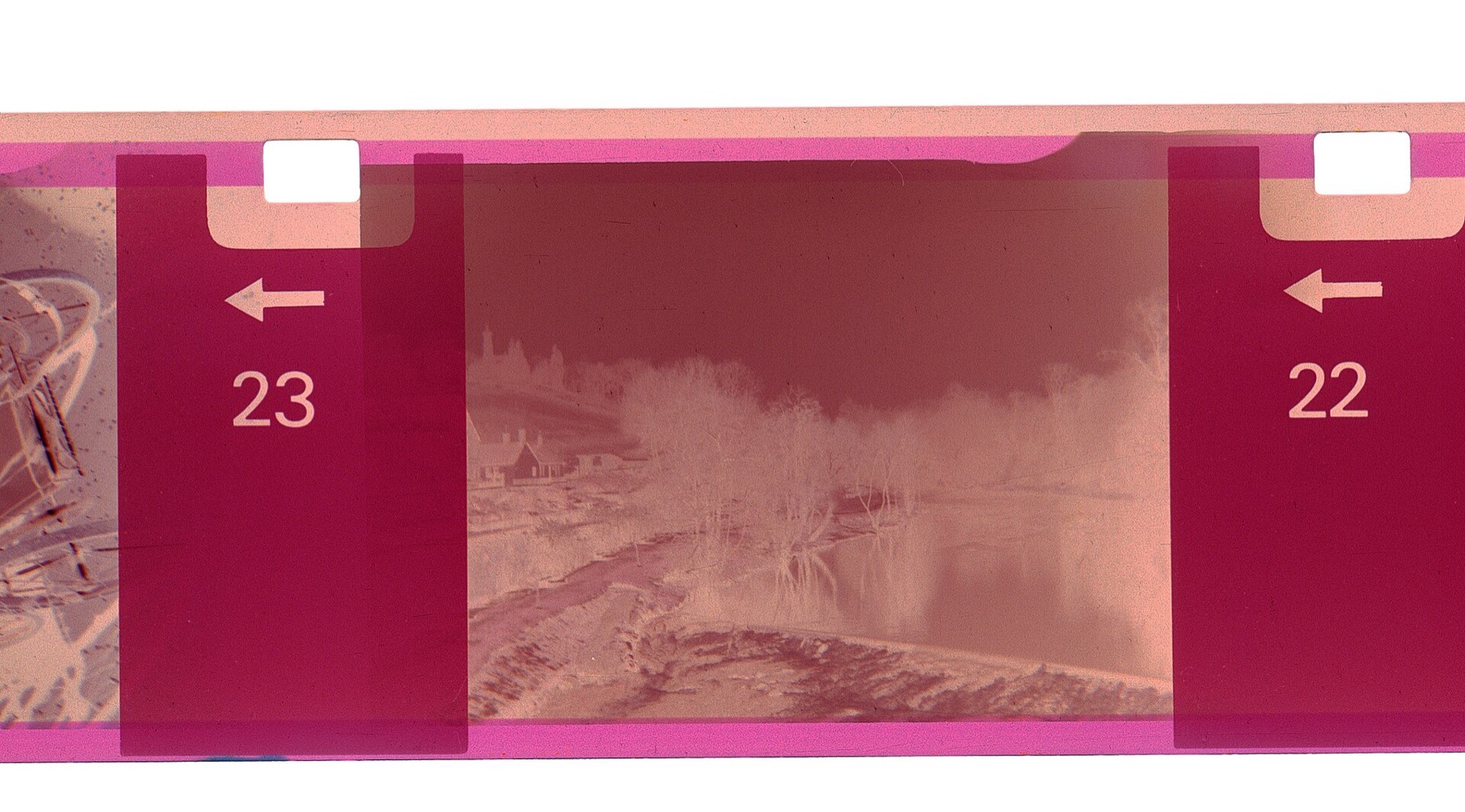
Shadows tell me about exposure
With a loupe, I look at the darkest parts of the scene, which are the clearest parts of the negative. In a well-exposed frame, they still show some texture: the bark of a tree in shadow, the folds of a dark coat. If they are completely clear, the film never received enough light, and no amount of development or scanning will bring that detail back.
Highlights tell me about development
The brightest parts of the scene, the densest areas on the negative, tell me about development. If I can still see some detail in a white wall or a cloud, development was right. If they are dark and blocked, like a piece of black plastic, I developed too long or too warm.
A simple record
Each roll gets one line in my notebook: film, rated speed, developer, time, and two marks, S for shadows and H for highlights, each with a plus, a minus or a dot. "HP5 / 400 / D-76 1+1 / 13 / S. H+" means shadows fine, highlights a bit dense. After a few months of this, patterns appear. Mine was clear: I overdevelop slightly in summer, when the water warms up during a long development.
It is ten minutes of looking. It has taught me more than any book.
— Elin, 17 May 2026