Finding a light leak in an old rangefinder
Fogged frames, a torch in a dark room and new light seals cut from craft foam. How I traced the leak instead of guessing.
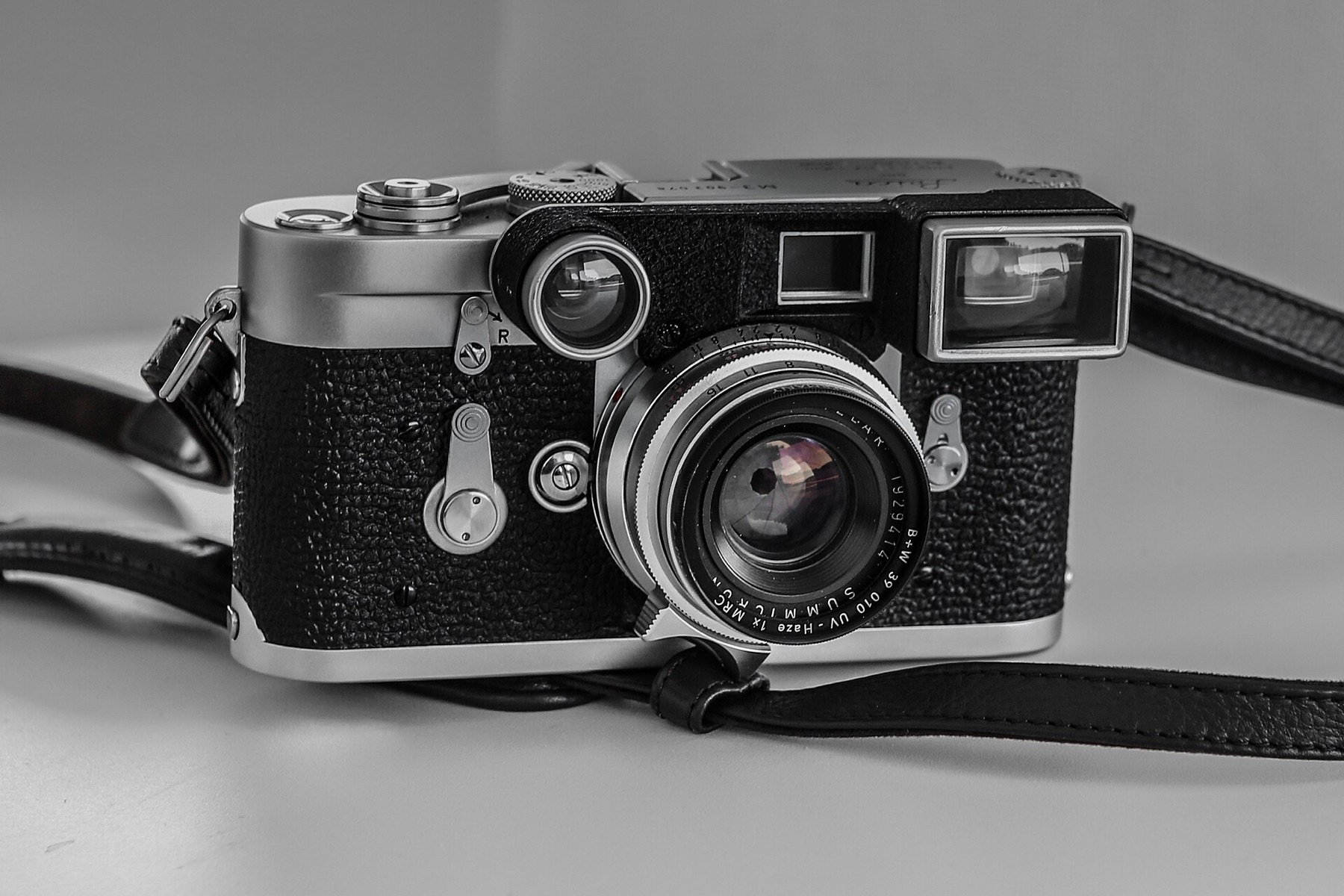
Three rolls in a row came back with a soft glow creeping in from the left edge. On the negative it was a dark smudge, on the scan a grey haze over the left fifth of the frame. The pattern was the same on every frame, which already said a lot: the leak was in the body, not in the film cassette, and it was somewhere along the side of the camera where the film comes out of the cassette.
Ruling things out
Before taking anything apart, I listed the possible causes:
- A leak in the cassette itself, unlikely with fresh factory film.
- Loading or unloading in bright light, but I had loaded the last roll indoors in shade.
- The back seals, the strips of black foam in the channels around the back door.
- A crack or pinhole somewhere in the body.
A test roll answered the first two. I loaded it in a dark room and unloaded it in a dark room, and the leak was still there.
The torch test
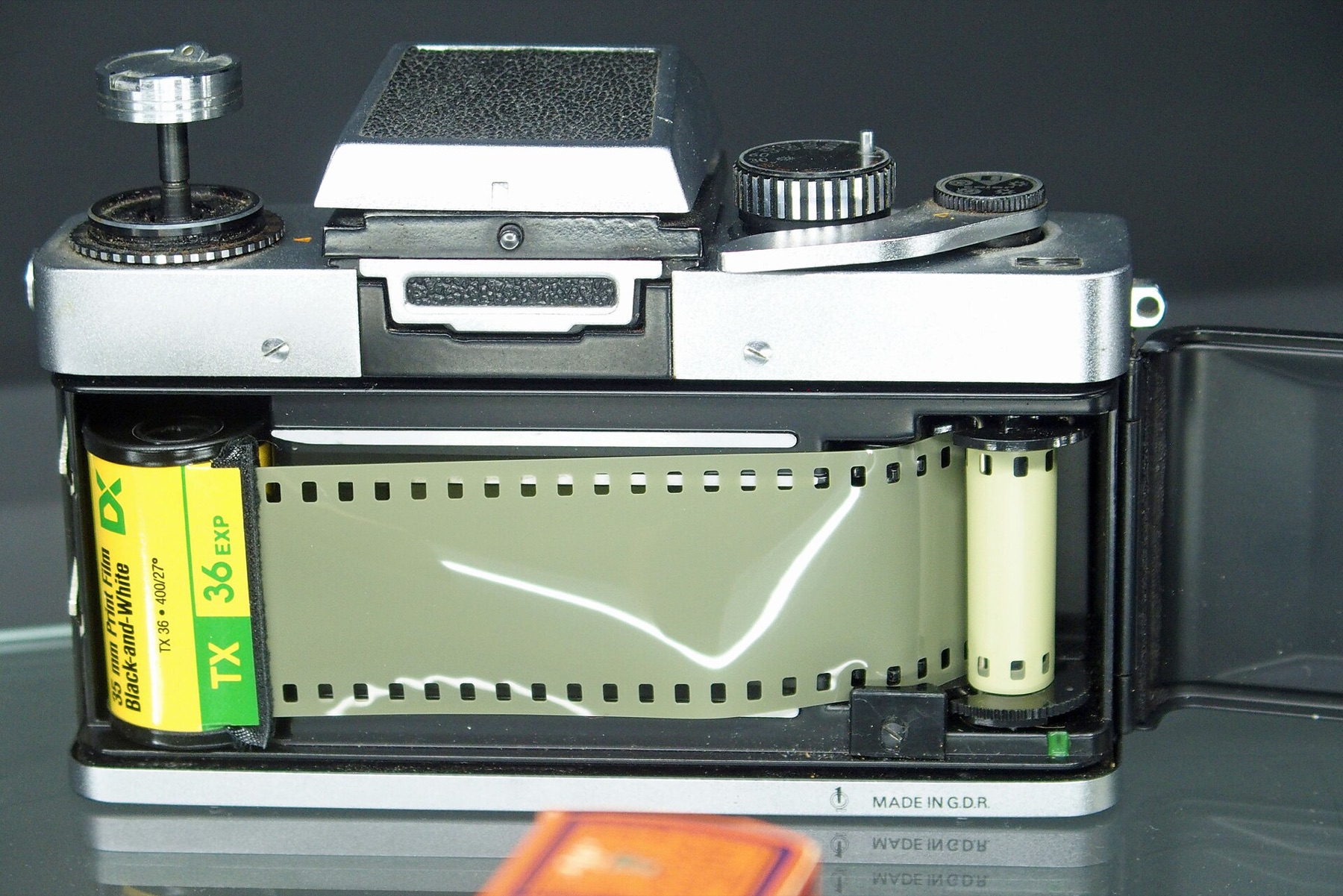
In a dark room, with the back open, I put a small torch inside the camera, pointing at each part of the frame in turn, and slowly closed the back. Light showed through at the hinge side, along a thin line where the foam seal had once been. When I opened the camera in daylight and looked closely, the foam there had turned into sticky black crumbs.
The fix
Old seals come off with a wooden toothpick and a little lighter fluid on a cotton bud. It takes patience, and it is important not to let the crumbs get into the shutter or the film channels. Once clean, the channels were dried and checked with a magnifier.
New seals are cut from self-adhesive craft foam: two millimetres thick for the hinge, and for the channels a thin black yarn, which presses into the groove when the back closes. I cut the hinge strip slightly longer than needed and trimmed it in place with a scalpel.
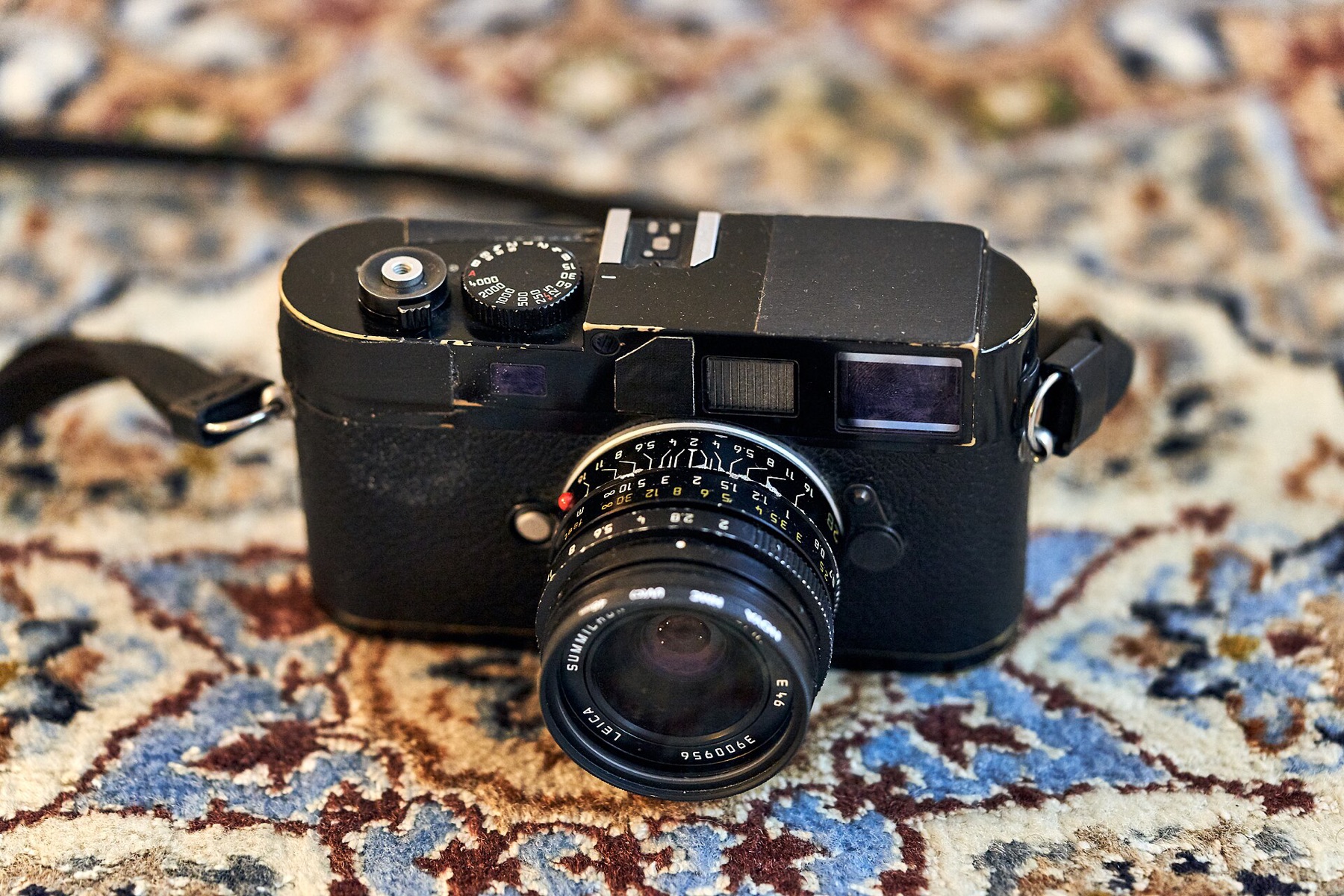
The next roll came back clean from the first frame to the last. The whole job took an evening and cost almost nothing. The lesson I keep relearning is the same: before buying a new camera, look carefully at the one you have.
— Elin, 8 March 2026